
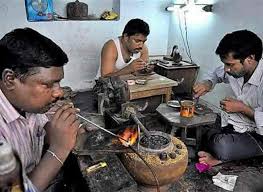
When you buy a gold ring, chain, or bangle, you may notice a separate cost on your bill called Gold Jewellery Making Charges. Many customers wonder what these charges mean and how they are calculated. Jewelry-making charges encompass the labor and design costs associated with crafting your jewelry.
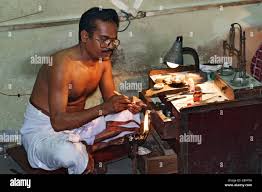
Simply put, making charges are the labor and design costs involved in crafting your jewelry. Each piece of jewelry is created by skilled artisans who invest their time and expertise—and that’s what these charges represent. Understanding how they are calculated helps you make informed decisions when purchasing your favorite ornaments.
What Are Gold Jewellery Making Charges?
Gold jewelry-making charges are the amount a jeweler charges for converting raw gold into beautiful jewelry pieces.
This includes design, molding, polishing, and finishing. These charges vary depending on how complex the design is and whether it’s handmade or machine-made.
For example:
If the gold price is ₹6,000 per gram and you’re buying a 10-gram chain, the base gold cost is ₹60,000.
If the making charge is ₹500 per gram, the total making charge is ₹5,000.
So, your final jewelry price = Gold Cost + Making Charges + GST.
How Are Gold Jewellery Making Charges Calculated?
There are two main ways jewelers calculate gold jewelry-making charges: the percentage method and the per-gram method. Let’s understand both clearly:
1. Percentage-Based Method
In this method, the making charge is calculated as a percentage of the total gold value.
- For example, if the gold value of your ornament is ₹60,000 and the making charge is 10%,
Then the making charge is ₹60,000 × 10% = ₹6,000.
This method is common for heavy or bridal jewelry, where the making effort is more detailed and time-consuming.
2. Per Gram Method
Here, the jeweler charges a fixed amount per gram of gold.
- For example, if the making charge is ₹500 per gram and your gold bangle weighs 12 grams,
Then the total making charge is ₹500 × 12 = ₹6,000.
This method is often used for lightweight, simple jewelry like rings, pendants, and daily-wear pieces.
Why Do Gold Jewellery Making Charges Differ?
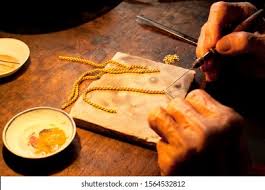
The gold jewelry-making charges may vary from one jeweller to another based on several factors:
- Design Complexity: Intricate, handcrafted designs take more time and effort.
- Type of Jewellery: Stone-studded and antique pieces often have higher making charges.
- Manufacturing Process: Handmade items are costlier than machine-made designs.
- Gold Purity: Jewelry made of 22K or 24K gold may have higher craftsmanship costs.
- Jeweller’s Brand Value: Trusted jewellers like Sagari Jewellers maintain transparent, fair pricing and ensure high-quality workmanship.
Example Calculation
Let’s take a quick example to make it clear:
- Gold rate today: ₹6,000 per gram
- Jewellery weight: 10 grams
- Making charge: ₹500 per gram
1. Gold cost = 10 × ₹6,000 = ₹60,000
2. Making charges = 10 × ₹500 = ₹5,000
3. Total before GST = ₹65,000
This is how your final jewelry cost is calculated before adding GST or other minor charges.
Conclusion
Understanding gold jewelry-making charges helps you make smart, transparent purchases. These charges aren’t just an extra fee—they represent the artistry, craftsmanship, and creativity that go into making each gold ornament unique.
At Sagari Jewellers, we believe in honest pricing and complete transparency. Our expert artisans ensure every design is crafted with precision and care. Whether it’s a delicate chain or a bridal masterpiece, you’ll always find fair making charges and BIS-hallmarked quality you can trust.
When you shop with Sagari Jewellers, you’re not just buying gold—you’re investing in craftsmanship that lasts forever.